
Optimal Timing for Asphalt Services
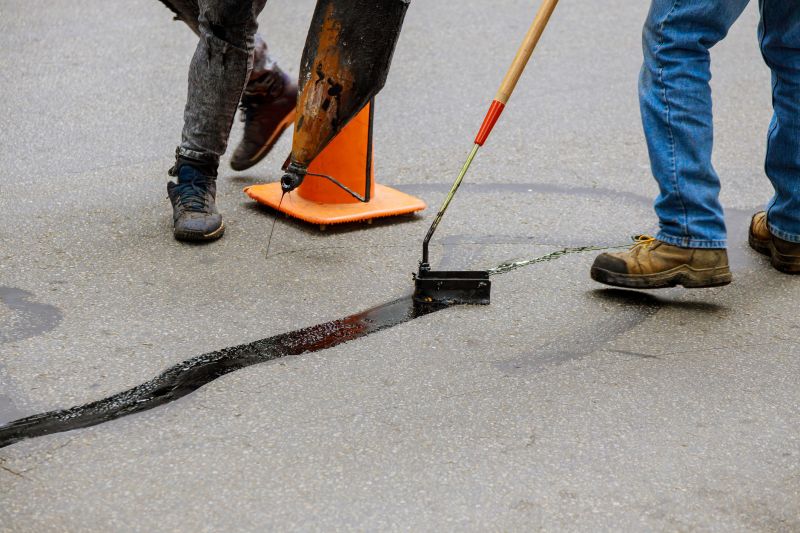
Spring offers optimal conditions for asphalt repairs due to moderate temperatures and low precipitation.

Summer provides longer daylight hours and warm weather, ideal for sealing and resurfacing.
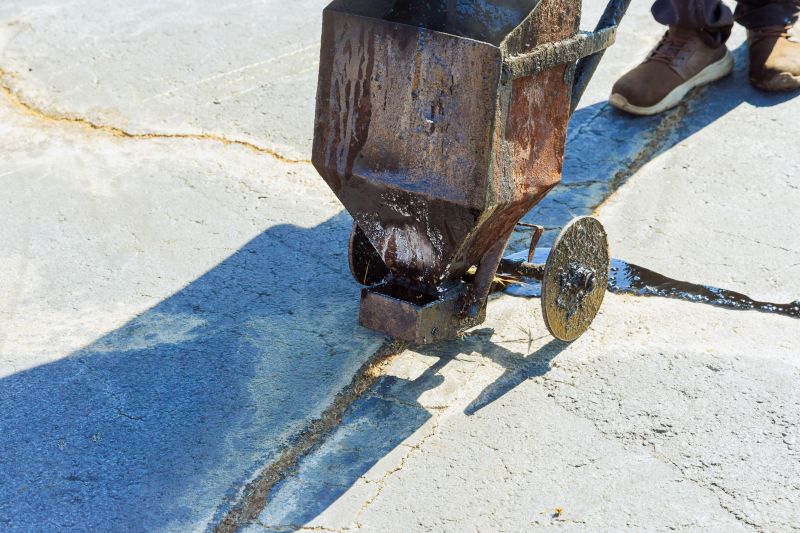
Fall is suitable for sealcoating before winter, protecting asphalt from cold weather damage.

Ways to make Asphalt Service work in tight or awkward layouts.
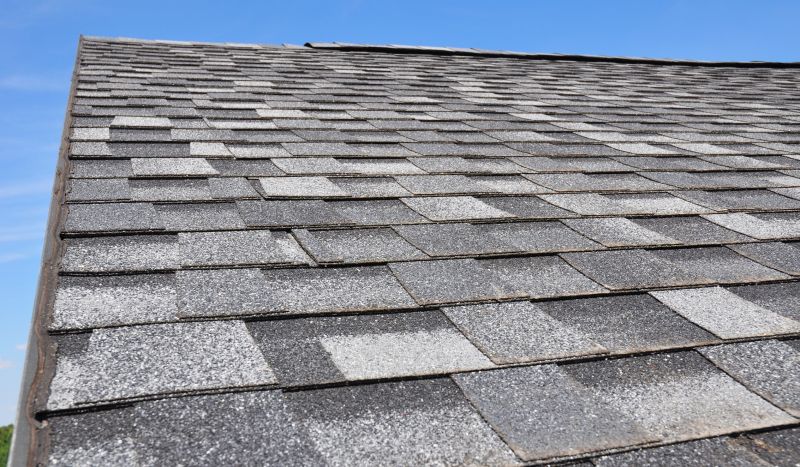
Popular materials for Asphalt Service and why they hold up over time.
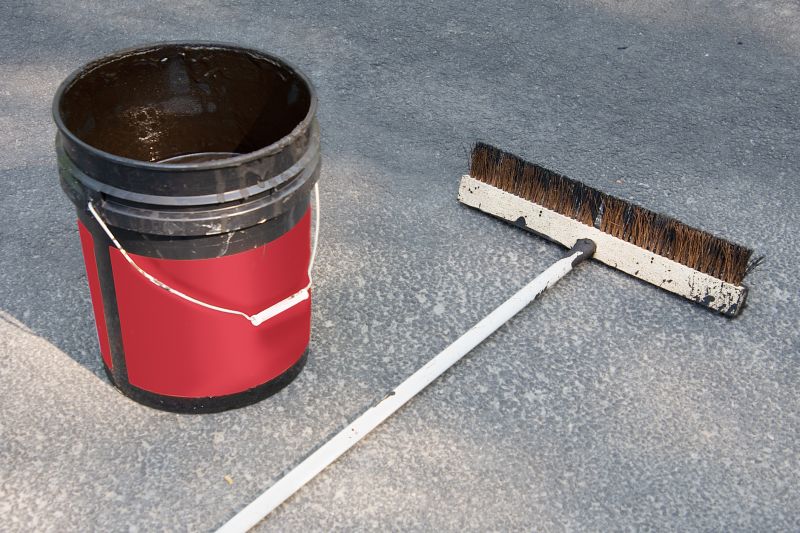
Simple add-ons that improve Asphalt Service without blowing the budget.
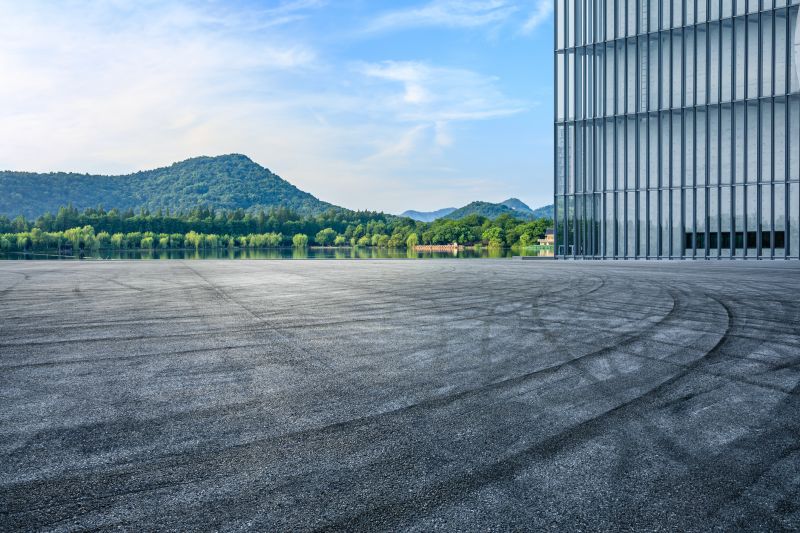
High-end options that actually feel worth it for Asphalt Service.
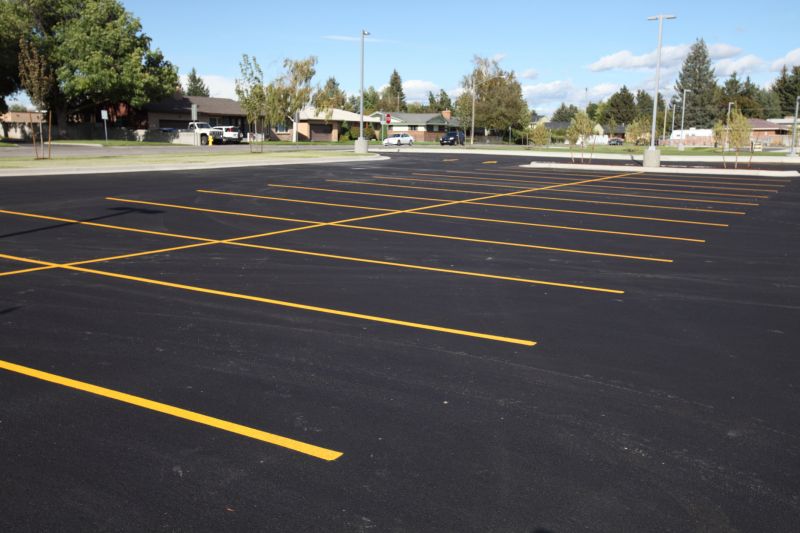
Finishes and colors that play nicely with Asphalt Service.
Timing is crucial for asphalt service to ensure durability and proper adhesion. The best time for asphalt maintenance generally depends on the climate and specific project needs. In regions with moderate temperatures, spring and early summer are ideal for most asphalt repairs and sealing. Cooler temperatures in fall can also be suitable for protective coatings before winter sets in.
Performing asphalt work during optimal weather conditions minimizes issues such as cracking, improper curing, or surface failures. Asphalt is most vulnerable to damage when exposed to extreme cold or excessive heat during application. Proper timing ensures the longevity of the pavement, reducing the need for frequent repairs and extending its lifespan.
Temperature fluctuations can affect asphalt curing and adhesion. Ideal temperatures are typically between 50°F and 85°F.
Scheduling during dry weather prevents moisture problems and ensures a smooth finish.
Spring and fall offer the best balance of temperature and moisture conditions for asphalt work.
Timing asphalt projects correctly can significantly improve pavement lifespan and reduce maintenance costs.
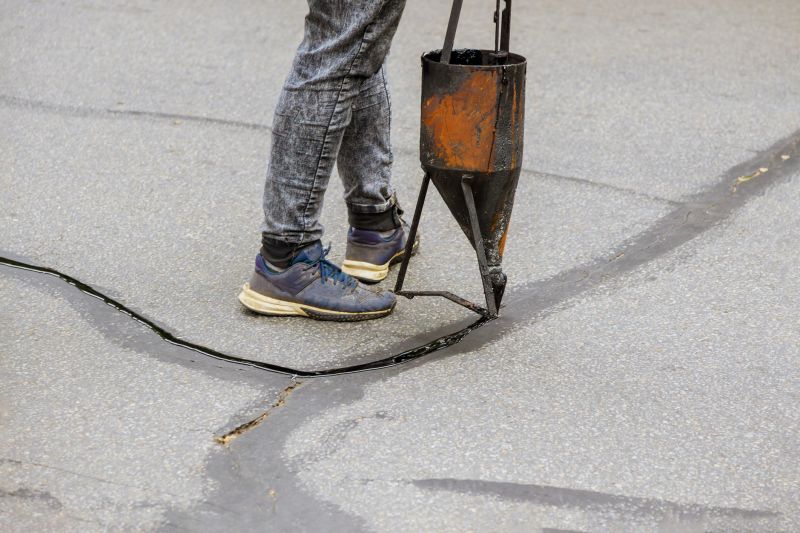
Spring's moderate temperatures facilitate effective asphalt repairs and sealing.
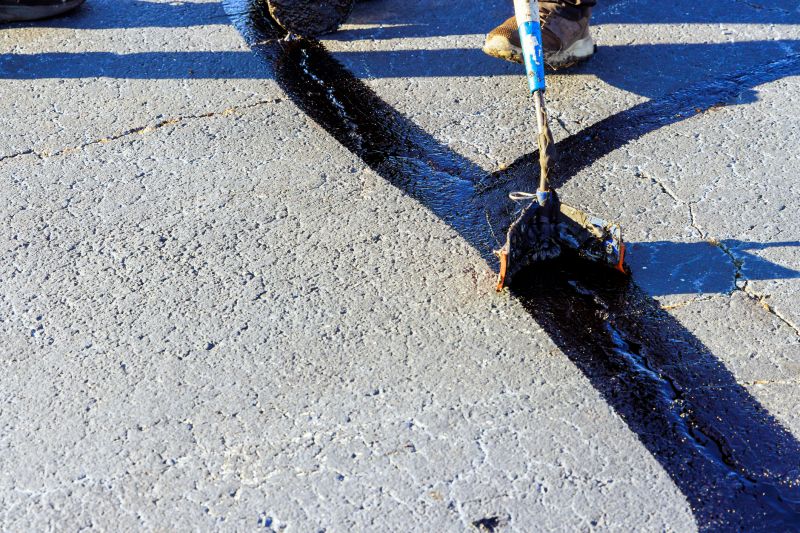
Warm summer weather helps sealants cure properly and provides durability.
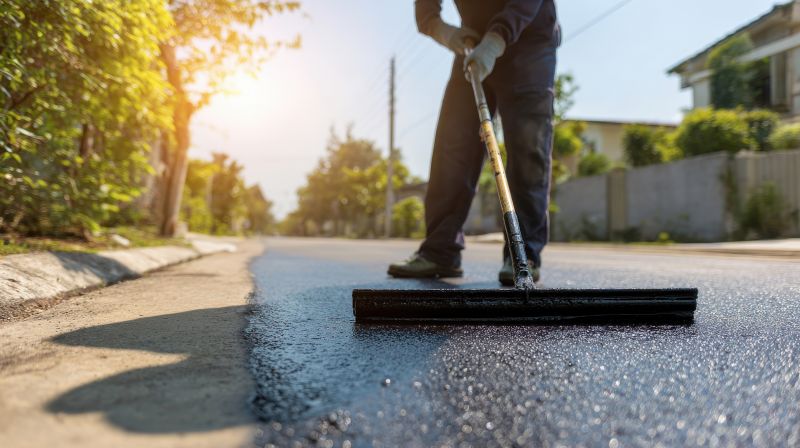
Applying sealcoats in fall protects asphalt from winter damage.
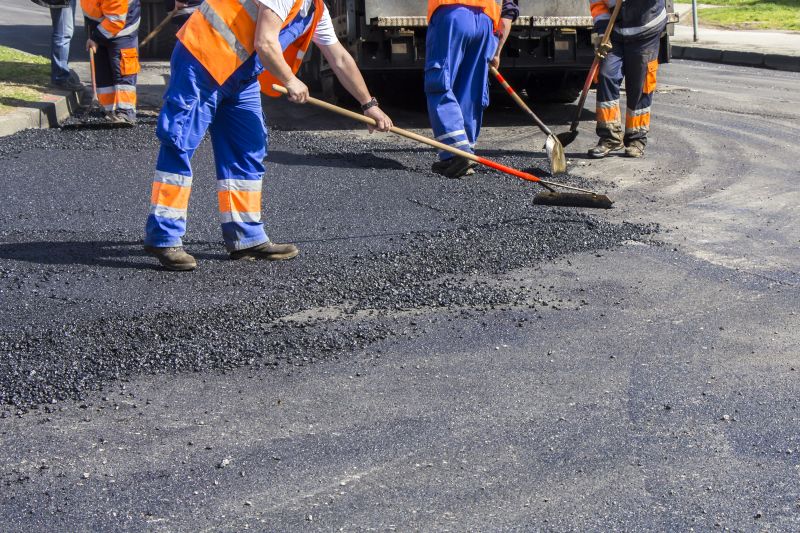
Cold temperatures limit asphalt work, making winter less ideal for major projects.
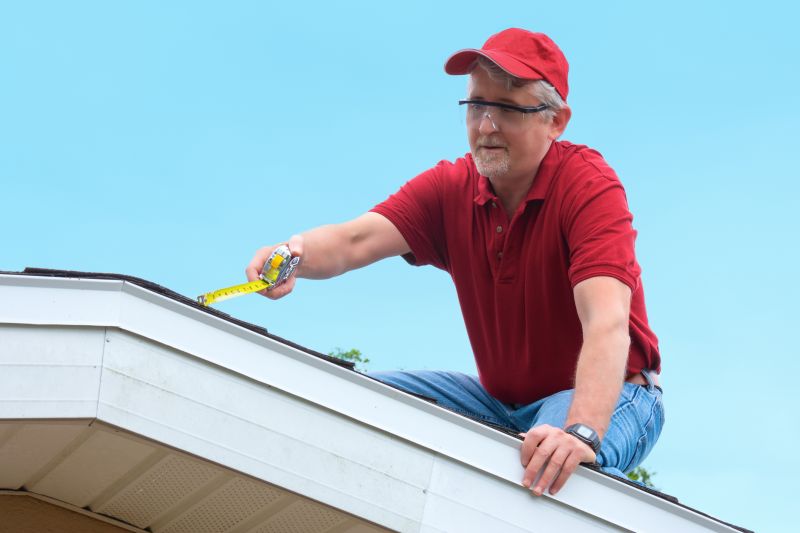
Little measurements that prevent headaches on Asphalt Service day.
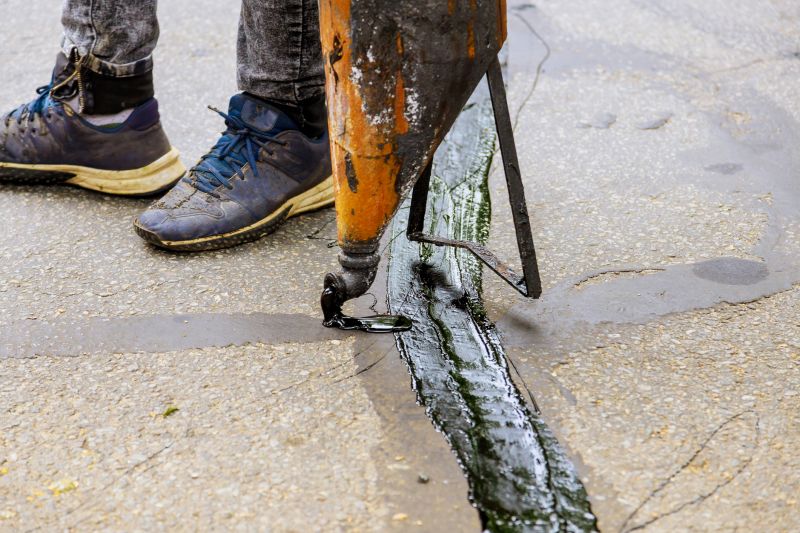
A 60-second routine that keeps Asphalt Service looking new.
| Season | Ideal Activities |
|---|---|
| Spring | Repair, sealing, crack filling |
| Summer | Resurfacing, sealcoating, line marking |
| Fall | Sealcoating, minor repairs |
| Winter | Limited major work, planning for spring |
Understanding the optimal timing for asphalt service can help extend pavement life and improve performance. Proper scheduling based on seasonal conditions ensures that asphalt surfaces are protected and maintained effectively. Consulting with asphalt professionals can provide guidance tailored to local climate patterns.
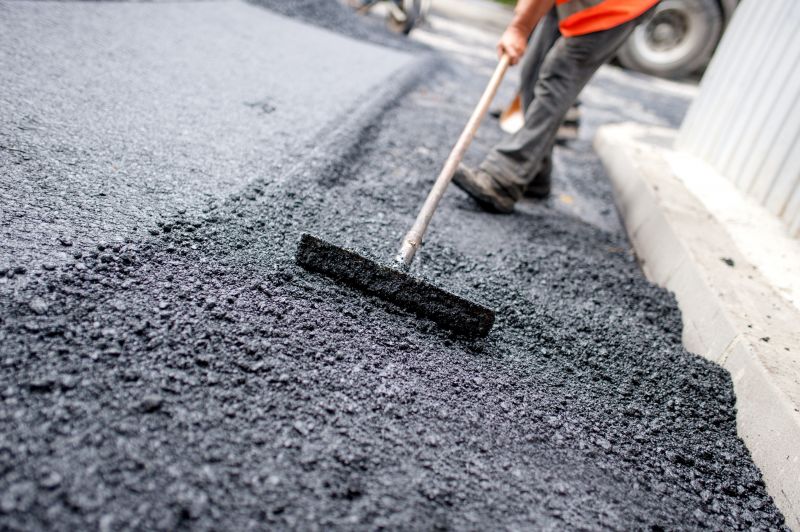
Timely repairs during suitable weather conditions enhance durability.
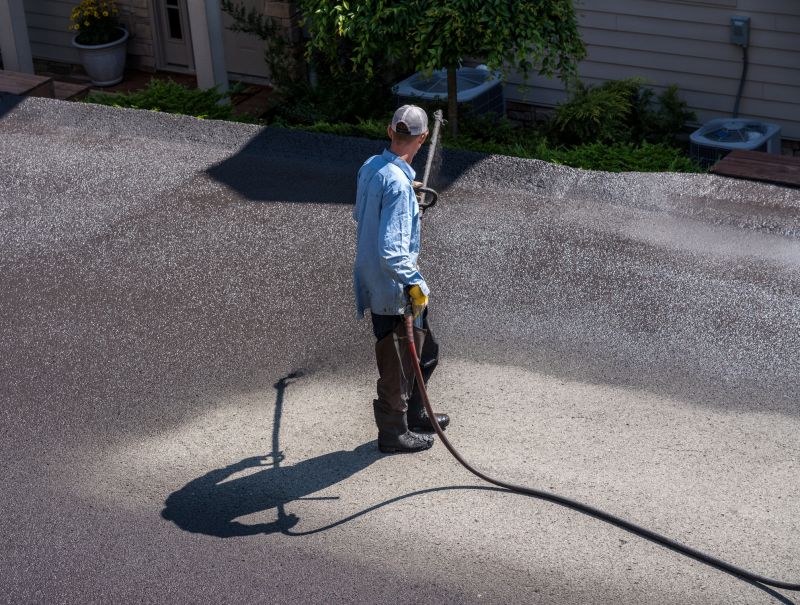
Properly timed sealcoating safeguards asphalt surfaces from weather damage.
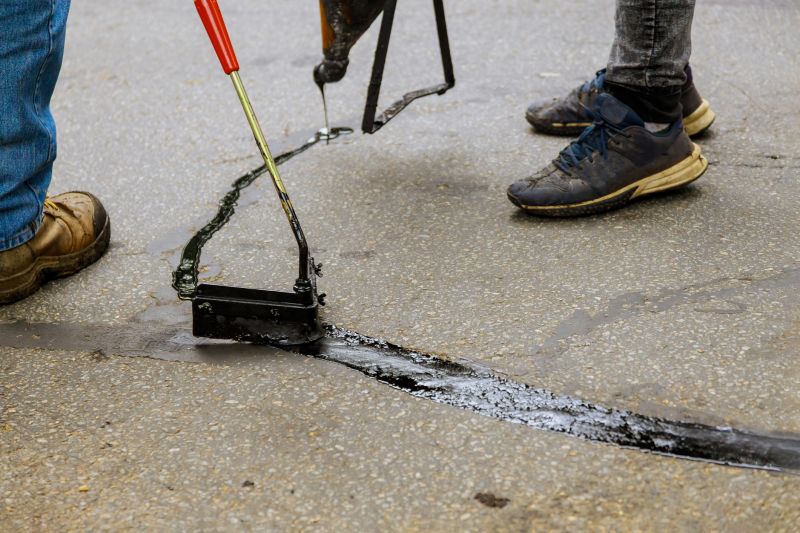
Resurfacing during optimal seasons ensures a smooth and long-lasting finish.
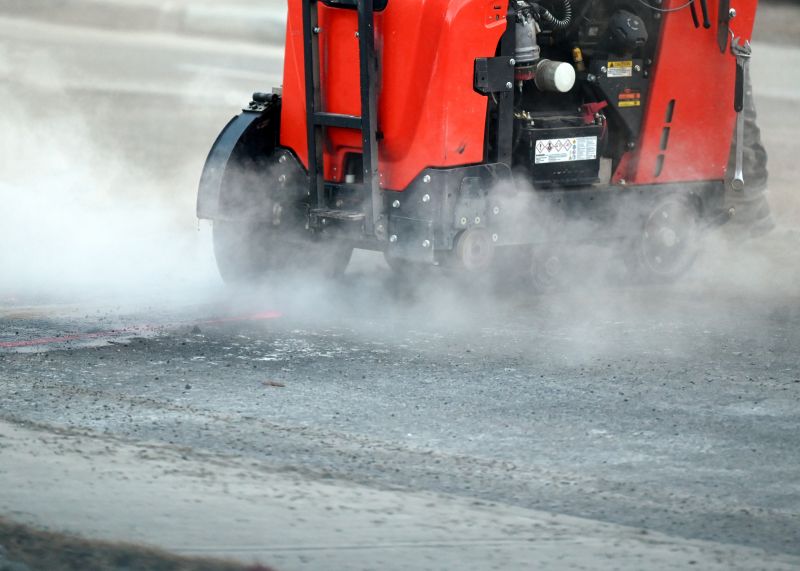
Weather conditions influence the effectiveness of asphalt maintenance tools.
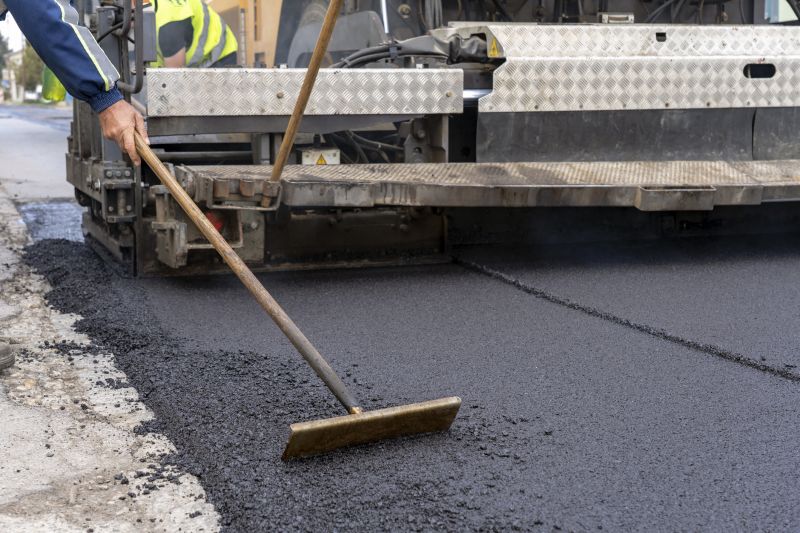
A frequent mistake in Asphalt Service and how to dodge it.
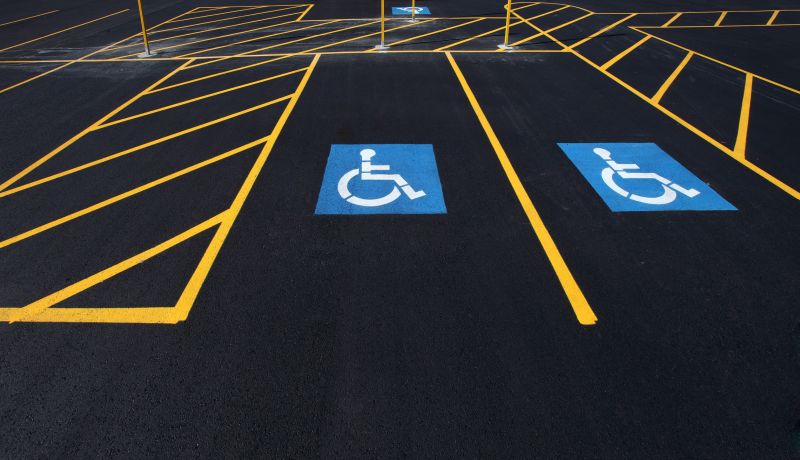
Small tweaks to make Asphalt Service safer and easier to use.

Lower-waste or water-saving choices for Asphalt Service.
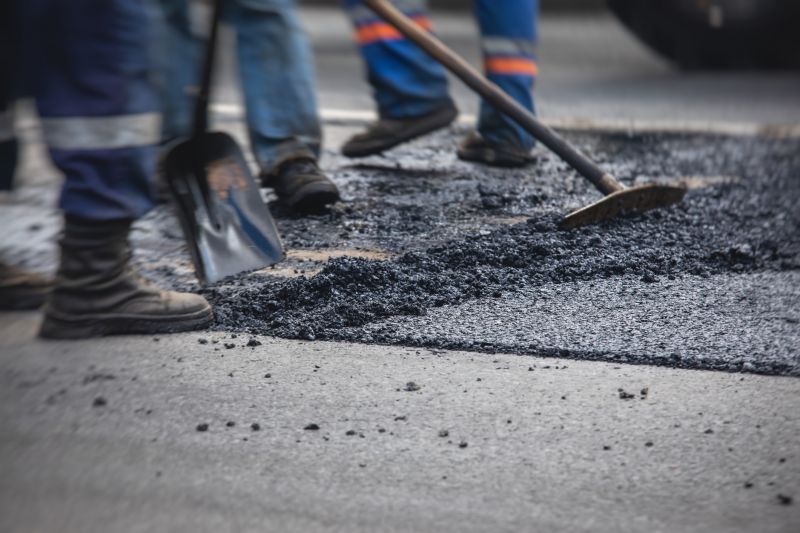
The short, realistic tool list for quality Asphalt Service.
Properly scheduled asphalt service minimizes the risk of costly repairs and enhances the lifespan of pavement. It is recommended to plan projects during seasons with moderate temperatures and low precipitation to achieve the best results. Regular maintenance, timed appropriately, can significantly improve the durability of asphalt surfaces.
Interested in scheduling asphalt service? Filling out the contact form can help determine the best timing for specific projects and ensure optimal results for asphalt maintenance and repair needs.